
Understanding RNG in Contemporary Casino Titles
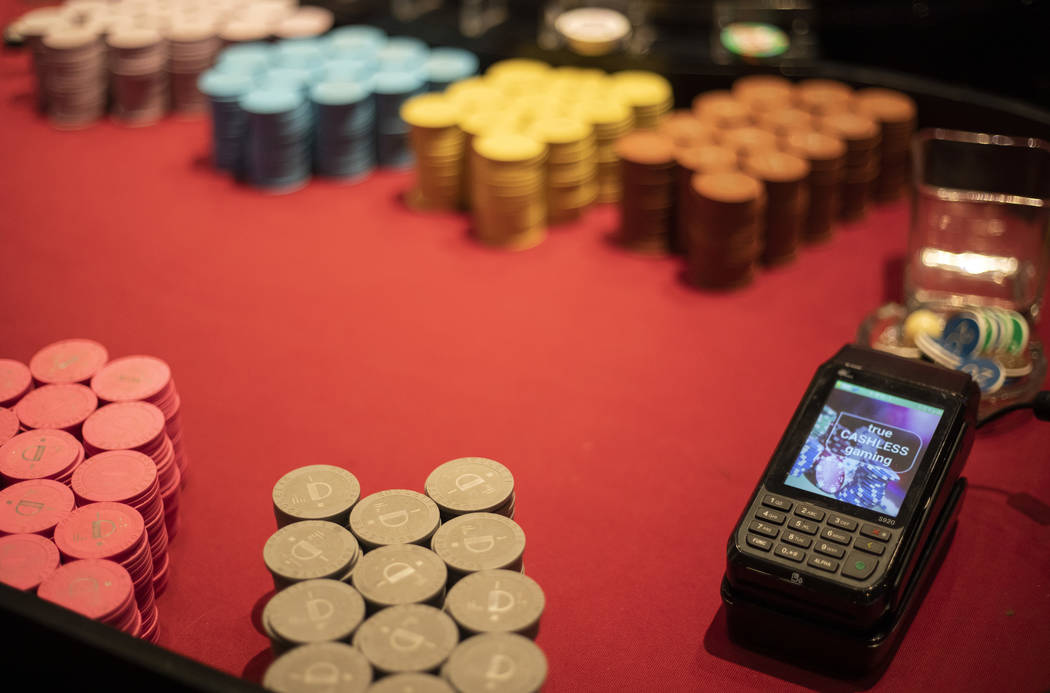
I take a seat to play aware the digital cards, spinning reels, and rolling dice on my screen all stem to one piece of software: the Random Number Generator. It doesn’t rearrange a virtual deck the way I might at a kitchen table. It constructs complex numerical sequences that form game outcomes faster than I can blink. At Oscar Spin Casino, these systems reside at the center of the entire gaming library, and comprehending how they work converts a session of blind luck into an informed pastime. I intend to walk through what RNG actually represents in modern titles, why independent auditors are important, and how this invisible engine influences my long-term playing experience across slots, table games, and live dealer lobbies. This is not a technical footnote for developers. It’s the fundamental promise that every spin, deal, and dice roll originates from pure chance, without memory or bias.
Random Number Generator and Cryptographically Fair Blockchain Integration
A significant shift in transparency has arrived with the notion of provably fair gaming, which I progressively encounter in modern crypto-inclusive and hybrid casino environments. Traditional RNG systems function on a „trust us“ model backed by third-party auditors, but provably fair algorithms let me to independently verify that the outcome wasn’t manipulated after I placed my bet. The system uses a cryptographic method involving three components: a server seed, a client seed, and a nonce that increments with every bet. Before I play, the casino supplies me with an encrypted hash of the server seed, locking it in place without revealing it. I can offer or modify the client seed, which ensures I have influence over the randomness. After the round concludes, the unhashed server seed is published, and I can run the algorithm locally to check that the result genuinely matches the hash I received beforehand.
This mathematical transparency is especially powerful in crash games and exclusive in-house titles oscarsspin.com. A crash game multiplier doesn’t drift according to some mysterious curve. It is predetermined by a hash function that I can audit myself. If the casino even attempted to retroactively change the result, the hash would no longer match, immediately exposing the fraud. While not every game in a traditional licensed casino operates on a provably fair basis, the technology is rapidly converging. Oscar Spin Casino offers a selection of original games where this cryptographic verification is built into the core interface, allowing me to toggle the verification tool and confirm fairness without waiting for an annual audit report. This dismantles any lingering suspicion that the house interferes with the RNG based on my betting pattern or recent win history.
The Reason Independent Auditing Firms Play a Key Role in Fair Play
Accepting an operator’s word that their games are fair would be unwise, which is why certified testing laboratories function as the backbone of trust in the iGaming industry. When I play at Oscar Spin Casino, the RNG integrity isn’t just a marketing claim. It’s a certified status verified by external bodies like eCOGRA, iTech Labs, or Gaming Laboratories International. These auditors run billions of simulated rounds on each game title, gathering data on payouts, distribution of symbols, and bonus feature triggers. They compare the observed statistical outcomes against the mathematically expected results within a strict confidence interval. If a slot claims a 96.5% theoretical return, the testing house requires that the actual RNG performance over several billion iterations falls within a tiny fraction of a percent of that figure. Any deviation signals the software gets rejected until the developer corrects the code.
The process reaches deeper than simple payout verification. Auditors review the source code directly to ensure the RNG algorithm itself is cryptographically secure and can’t be reverse-engineered or manipulated by the casino or a third party. They also assess the „uninterruptible power supply“ logic. If I’m halfway through a bonus round in a crash game and my internet connection drops, the game state must be restorable exactly where it stopped, with the outcome already determined by the RNG seed at the precise moment I placed the bet. Independent certification seals presented on the casino’s footer aren’t just decorations. Clicking them usually takes me to a live certificate verifying the specific URL of the platform is under active surveillance. This constant auditing ensures that neither the casino nor I can interfere with the randomness that governs modern titles.
Slot Volatility and the RNG Experience
Contemporary casino games have progressed past the simple „one-armed bandits“ of the past, and the RNG now manages a complex risk structure known as volatility and variance. When I scan the game lobby, I often notice slots marked with terms like „high volatility“ or „low volatility,“ and these are direct reflections of how the RNG distribution is set up. A low-volatility title is adjusted to create a stream of output numbers that frequently land on lower-value symbol combinations, so I collect minor wins regularly to maintain my balance. A high-volatility game concentrates the high-value number ranges much further apart, so the RNG produces long sequences of non-winning or dead spins, followed by a massive spike when the algorithm finally lands on that narrow slice of numbers reserved for the max win multiplier. This is the mathematical architecture of risk, and it happens purely inside the numeric stream before any visual animation runs.
Grasping this dynamic changes how I select a game. If I have a modest budget and want a long session, I especially look for low-variance slots where the RNG mapping is more concentrated at the bottom end of the paytable. If I’m pursuing the adrenaline of a life-changing multiplier jackpot, I opt for the high-variance architecture, understanding that the RNG has been configured to generate „dry spells“ that might eat up a bankroll before delivering a 5,000x or even 20,000x payout. The hit frequency, which is the percentage of spins resulting in any win, is another critical statistic obtained directly from the RNG’s virtual reel mapping. A game with a 15% hit rate means the RNG is unable to land on a winning numerical combination 85% of the time. This framework clarifies why two games promoting the same 96% RTP can feel completely different. One might distribute the returns sparsely across many small wins, while the other reserves the payback for a statistical outlier event that one player hits while thousands do not.
Megaways mechanics and Variable Reels
The arrival of Megaways mechanics represents one of the most inventive applications of an RNG in modern casino history. In a standard slot, the RNG simply picks a stopping position for a fixed number of reels. In a Megaways title, the RNG carries out an additional calculation per spin to establish the random height of each reel, typically between 2 and 7 symbols tall. This single decision changes the number of potential winning combinations, or „ways,“ which can vary from 324 up to 117,649 on a single spin. The RNG must simultaneously produce the reel positions while also verifying the paylines against this dynamically shifting grid. I find this captivating because it brings a second layer of randomness that makes predicting the rhythm of a game impossible. Noticing that a game hasn’t paid out in 50 spins has zero relevance to the next spin, because the structure of the reel matrix itself is rebuilt randomly by the RNG each time I hit the button, completely independent of prior configurations.
How a Random Number Generator Operates
As I hit the spin button on a current video slot, I do not engage a mechanical mechanism that decides where symbols land. I’m telling a pseudorandom number generator, a predictable algorithm, to produce a value at that specific millisecond. The word „pseudorandom“ might appear slightly dishonest, but in practice, the output is impossible to tell apart from true randomness. The system leans on a seed number, often obtained from an unpredictable physical source like atmospheric noise or the precise microsecond of a server clock, then processes that seed through a mathematical formula that creates a chaotic stream of digits. In a 5-reel slot with 30 paylines, the RNG assigns sections of this number chain directly onto possible reel stops. Each reel might contain 50 to 100 virtual stops, so millions of combinations exist every second, whether anyone is playing or not.
The real cleverness lives in the mapping layer. The RNG has no awareness of what a „cherry“ or a „wild“ symbol is. It only knows numeric values that match positions on a virtual reel strip. Game designers set these values on purpose. High-paying symbols occupy fewer positions than low-paying blank spaces or low-tier fruit icons. This is how the return-to-player percentage, or RTP, is integrated into the game mathematics. If a game carries a 96% RTP, that means over millions of spins, the mapping of the RNG output statistically assures the game retains roughly 4% of total wagers. I do not witness this process, but knowing it’s there dissolves the myth that games run „hot“ or „cold.“ The RNG has no memory of my previous spin. The odds of hitting the top jackpot remain the same on my first spin of the day and my thousandth.
Debunking Common RNG Myths and Gambler Fallacies
The gambler’s fallacy is the most persistent and destructive misconception I encounter regarding RNG-driven titles. This is the belief that if a slot hasn’t paid a jackpot in a long time, it is „due“ to hit. The RNG doesn’t possess a counter that tracks how many losing spins have occurred, nor does it feel any obligation to regress to the mean within a short, human-observable timeframe. The Law of Large Numbers dictates that a 96% RTP slot will trend toward its theoretical payout over hundreds of millions of spins, not over a single evening of play. I have to deliberately remind myself that the 10,000-spin losing streak is already factored into the game’s mathematical model. Another myth implies that stopping the reels manually or using a specific „bet pattern“ can trick the RNG into paying more. Since the outcome is already calculated the instant I press the spin button, the „skill stop“ feature is purely cosmetic entertainment with zero impact on the predetermined result.
I also meet players who believe that switching between games resets their luck or that new games pay more to attract players. Regulated software doesn’t enable operators to alter the RTP or volatility dynamically based on marketing calendars. The RTP is hard-coded into the game file submitted to the licensing body, and changing it requires a full re-certification process. I find solace in this rigidity. The RNG algorithm operating a classic fruit machine in the lobby today is running the exact same mathematics it was running yesterday, unaffected by server load, promotional calendars, or the time of day. Myths surrounding „loose slots“ positioned near the entrance are a relic of land-based venue design, where physical placement could theoretically be managed. In a digital lobby, the graphical layout has no pipeline to the RNG kernel. Awareness of this eliminates superstitious rituals and allows me to focus on entertainment and sound bankroll management.
How Licensing, Security, and the Platform Connect with RNG
The reliability of an RNG means nothing if the platform hosting the games is not subjected to stringent regulatory standards, which is why I scrutinize licensing details closely. A reputable jurisdiction such as the Malta Gaming Authority or Curacao eGaming mandates that operators present their RNG certificates as part of the ongoing compliance process. This connects directly to my security as a player. Oscar Spin Casino operates under formal licensing that necessitates the isolation of the RNG system from player account databases, preventing any cross-contamination where my personal loss history could, in theory, be read by the game logic. The payment infrastructure runs parallel to the gaming engine, which means my deposit method, whether I prefer Skrill, Neteller, bank transfer, or cryptocurrency, never connects with the outcome generation. Withdrawal processing times, which often range from instant for e-wallets to a few business days for bank wires, are purely administrative delays associated with anti-money laundering checks, not punitive measures triggered by a winning RNG streak.
Mobile responsiveness creates a device layer I can’t overlook. Whether I play on an Apple tablet or an Android device via a web browser or a native app, the RNG computation takes place on a safe remote server, not on my device’s local CPU. This prevents any local interference, like memory alteration or clock manipulation, from changing game outcomes. The HTML5 layer simply displays the graphical response. The random data stream passes through the internet via encrypted TLS communication, so no middleman can intercept and change the generated reel positions. This architecture ensures that my play session quality remains identical, with the identical RNG seed generation quality, regardless of whether I’m on a premium iPad or a average smartphone. It justifies the shift toward fully adaptive, instant-play casino platforms by placing the fairness system in a secured, monitored data center.
Player Security and Responsible Gaming Tools
The intersection of RNG integrity and responsible gaming features creates a safety net that I consider as crucial in modern casino games. Since the RNG works without bias, it doesn’t recognize a player who is trying to recover losses, yet the platform itself provides external limits. Deposit restrictions, session counters, and reality reminders overlay the pure randomness with a human-centric safeguard. I can set a maximum loss threshold understanding that the math will operate identically below it. If the RNG generates a bad run while my loss limit is hit, the software simply stops further wagers without trying to „let me win“ to prolong my session. This division of the deterministic mathematical core from the responsible gaming logic confirms that the house cannot influence the RNG on a per-player basis. The two systems are firewalled, which safeguards me from exploitative tactics while emphasizing that the games are impartial, non-adaptive machines rather than sentient predators.
Moving away from the spinning reels and digital felt, I recognize that the Random Number Generator is the most trustworthy croupier available, exactly because it lacks consciousness, mood, or memory. Every modern casino title at an established and licensed platform is a case study in statistical purity, translating complex mathematical formulas onto engaging visual spectacles. The volatility models, the return percentages, and the shuffling algorithms are all pre-set, auditable, and immutable. I need not hope that the software is playing fairly. I can confirm it through cryptographic hashes and independent testing seals. This knowledge removes the superstition that often accompanies gambling and replaces it with a clear-eyed understanding of risk and probability. When I select a game, I look beyond the animations and concentrate on the architecture beneath: the certified RNG, the declared volatility, and the verified RTP. That focus changes a simple wager into an informed decision and ensures that my experience, win or lose, is based on mathematics rather than manipulation.
RNG in Table Games and Card Mixing
While slots show the RNG’s work clearly through spinning reels, digital table games hide the process behind a virtual curtain that simulates a human dealer. When I load a digital blackjack table at an online casino, I’m not competing against a pre-shuffled deck waiting in a fixed order. The RNG continuously shuffles a virtual single deck, or multiple decks, generating millions of random permutations per second. The moment I press „deal,“ the software snatches the top card from the current nanosecond’s shuffle state, effectively ensuring that the timing of my click decides the card drawn. This simulates the impossibility of card counting, because there is no discarded shoe history to follow. The deck doesn’t diminish in a predictable manner. It resets and shuffles continuously between hands, which means my strategic decisions must be founded purely on basic strategy mathematics rather than compositional deck tracking unless the game specifically advertises a „depletion“ mode.
European Roulette presents another clear example of RNG precision. The generator picks a floating-point number that translates directly onto a single pocket of the 37-slot wheel. The physics engine then animates the ball landing there, but the animation tracks the math, never the other way around. The „hot and cold numbers“ board often displayed in the interface is a statistical curiosity indicating past results, yet it has no causal connection to the RNG’s next selection. Craps, baccarat, and video poker lean on the identical principle, with video poker presenting an interesting hybrid because the RNG distributes the initial five cards, but my skill in selecting which to hold changes the outcome. Here, the RNG steps in again to pull replacement cards from the remaining continuously shuffled virtual deck. This symbiotic relationship between algorithm and player agency is why video poker tables often show some of the highest RTP values available, sometimes exceeding 99% with optimal play.